

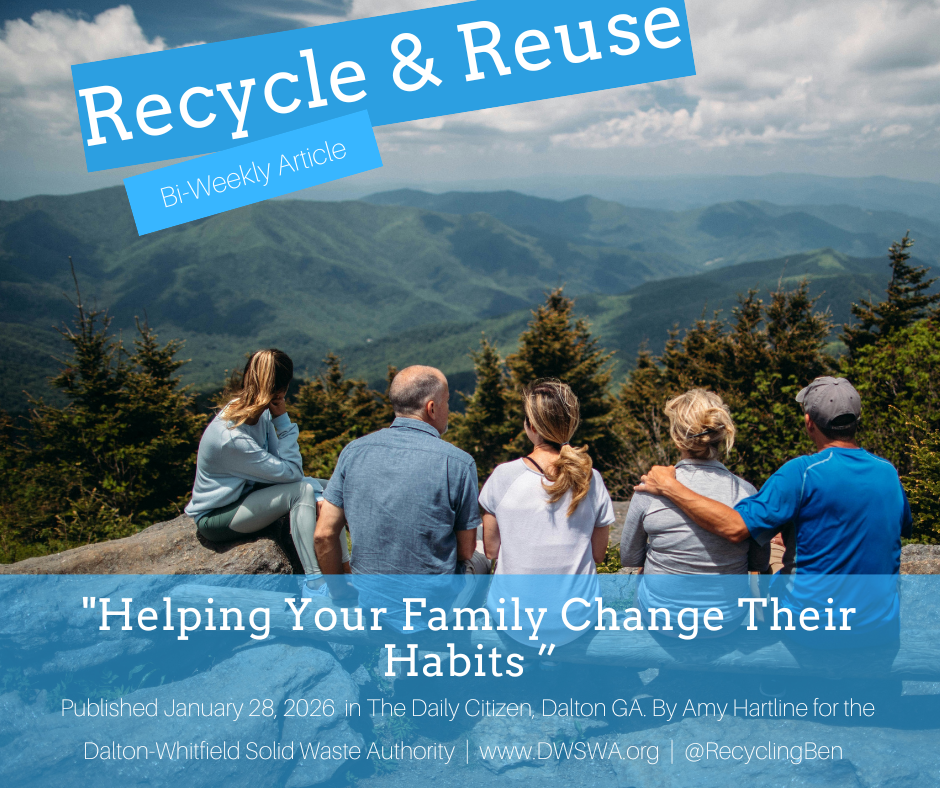



Helping Your Family Change Their Habits
/Changing habits for yourself is hard enough, but, if you try to change the habits of your family, you’ll often find that it feels like it would take a herculean effort. I’ve had many people talk about the struggles they’ve faced trying to get their family to join them in making more eco-friendly choices at home. While change is possible, it takes time and usually a softer approach. Over the years, I’ve learned a few ways you can influence the people around you to make better choices without stating a fight.
The first thing to know is that resistance at home is normal. Most people are attached to routines because being able to do things on auto-pilot make life easier. When something familiar changes, even a small thing, it can feel irritating or unnecessary. That reaction does not mean your family is against you or your values. It usually means they are tired, comfortable, or not looking for extra decisions in their day. Seeing resistance this way can help you take it less personally.
Starting slow is one of the kindest things you can do for everyone, including yourself. You do not need to overhaul the household or announce a big plan at the dinner table. Big declarations can make people defensive before anything even changes. Instead, pick one or two changes that feel manageable. Small steps create far less tension and give people time to adjust without feeling pushed.
Try buying a larger container of something instead of several smaller ones so you can reduce packaging without changing how anyone uses it. You could bring reusable bags for your own errands without commenting on anyone else’s habits. Start cooking a slightly larger dinner that can lead to ready-made lunches the next day. These changes make a difference in how much waste you are creating and allow you to quietly model what sustainable routines look like.
It also helps to focus first on changes that mainly affect you. For example, you might start by switching the paper towels you personally use for reusable cloths, while still keeping paper towels available for everyone else. If you pack lunches, you can use reusable containers without asking anyone else to do the same. When others see that these changes do not disrupt your daily life, they often become more open to making changes themselves.
Many people warm up to change simply because it becomes familiar. A refillable soap bottle that always sits by the sink eventually stops feeling new. A compost container that does not smell or get in the way becomes the norm. Once the eco-friendlier behavior becomes routine, it becomes easier for them to continue it instead of fight it.
How you talk about waste reduction matters a lot. Even gentle suggestions can land poorly if they sound corrective or pushy. Try sharing what you are doing rather than what others should do and connect what you are doing to everyday benefits. Saying “I’ve been liking this because it lasts longer” lands better than explaining why something is wasteful.
It is also important to be realistic about what is worth pushing for. Some changes will matter more to you than others. Some battles will drain your energy without leading to meaningful progress. Decide what habits are most important to you and focus on those.
Reducing waste does not require perfection to be meaningful. Consistency matters more than having one perfect day of recycling or one completely zero-waste day.
Trying to reduce household waste while others resist can feel slow, but it is not pointless. It is little changes that add up over time that make the most difference for our environment. Starting with change yourself and being a role model for your family may lead to them following in your footsteps without you having to use any lectures or standoffs. With all sustainable efforts, it is the progress we see over long periods of time that tend to bare the most fruit.
Amy Hartline is the recycling and education program coordinator for the Dalton-Whitfield Solid Waste Authority. Have a recycling question? Contact her at (706) 278-5001 or ahartline@dwswa.org.